Designing Government Data Platforms: Lessons in Cross-Agency Data Integration
Administrator3 min read
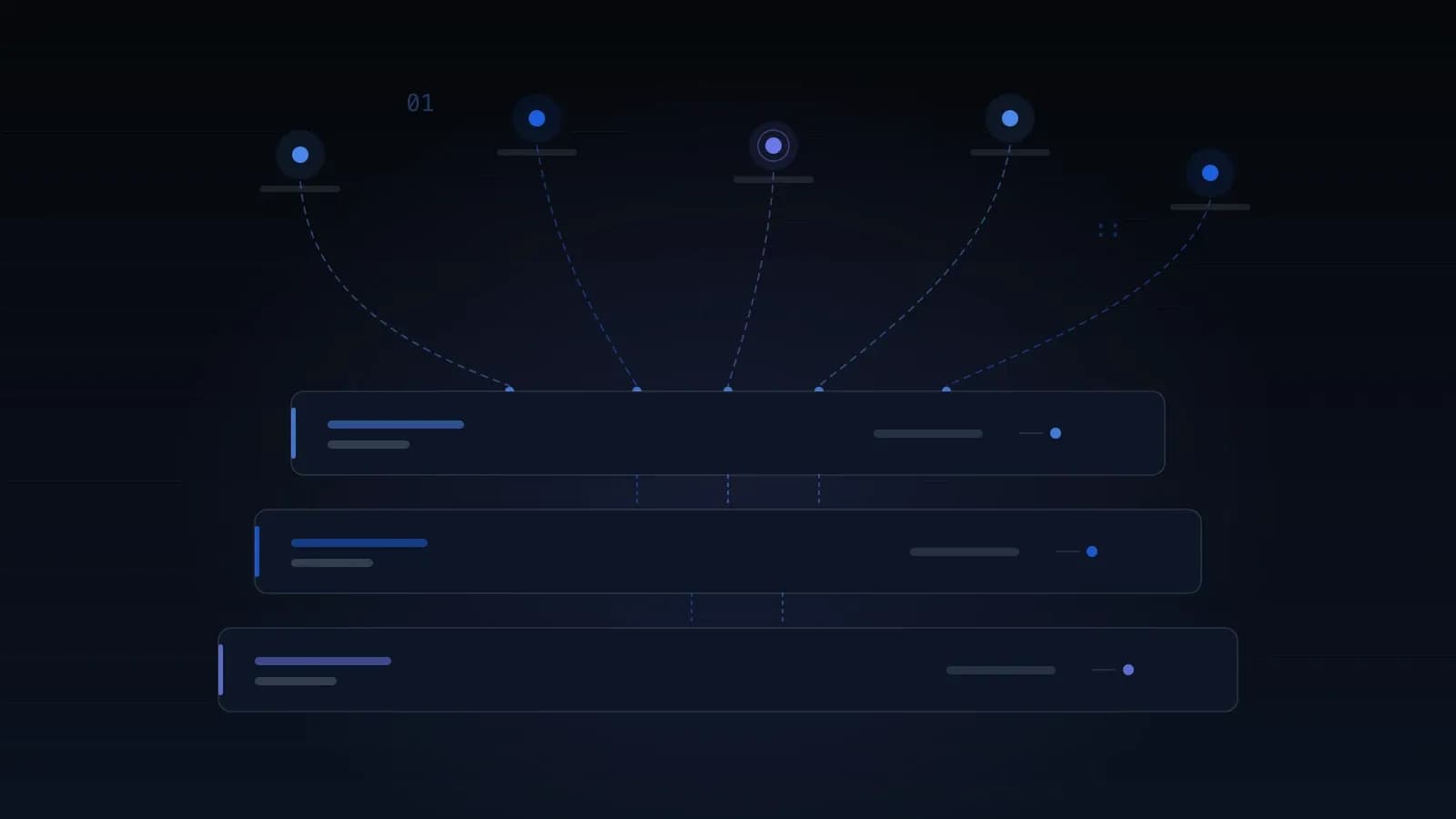
Nearly every government agency has data-sharing goals, yet many cross-agency integration projects end as study reports, or as systems where data flowed briefly and then went still. The cause is rarely the technology — it is design that ignores the incentives and constraints of the agencies involved.
Why cross-agency integration is hard
- Each agency uses its own data standards, codes, and definitions
- Data-owning agencies worry about liability once their data is reused
- Many legacy systems have no APIs, and their original developers are gone
- Data quality varies widely — and the problems surface only after connection
Design principles that hold up
First, start from a real use case with a clear owner — not from “collect everything first.” A platform that genuinely answers one important question builds more momentum than a large repository nobody uses yet.
Second, standardize at the edge. Let each agency send data in the format it already has, and make the platform responsible for transforming it into the shared standard. This lifts the burden off source agencies — precisely where such projects usually stall.
- Define data ownership and authorized users explicitly, in writing
- Log every data access, and let owning agencies audit the logs
- Monitor data quality automatically and report problems back to the source immediately
- Let each agency’s existing systems keep running — never force a replacement
Finally, a platform’s sustainability depends on trust as much as architecture. When source agencies see their data used carefully, auditably, and in ways that benefit their own work, continuous data sharing becomes routine rather than a burden.