What Is Link Analysis, and How Does It Help Financial Investigations?
Administrator3 min read
In financial investigations, the most important question is rarely “who made which transaction?” It is “who is connected to whom, and how does the money travel?” The data that answers it is scattered across transaction tables, company registries, and piles of documents — nearly impossible to see as a whole by reading row by row.
From tables to relationship graphs
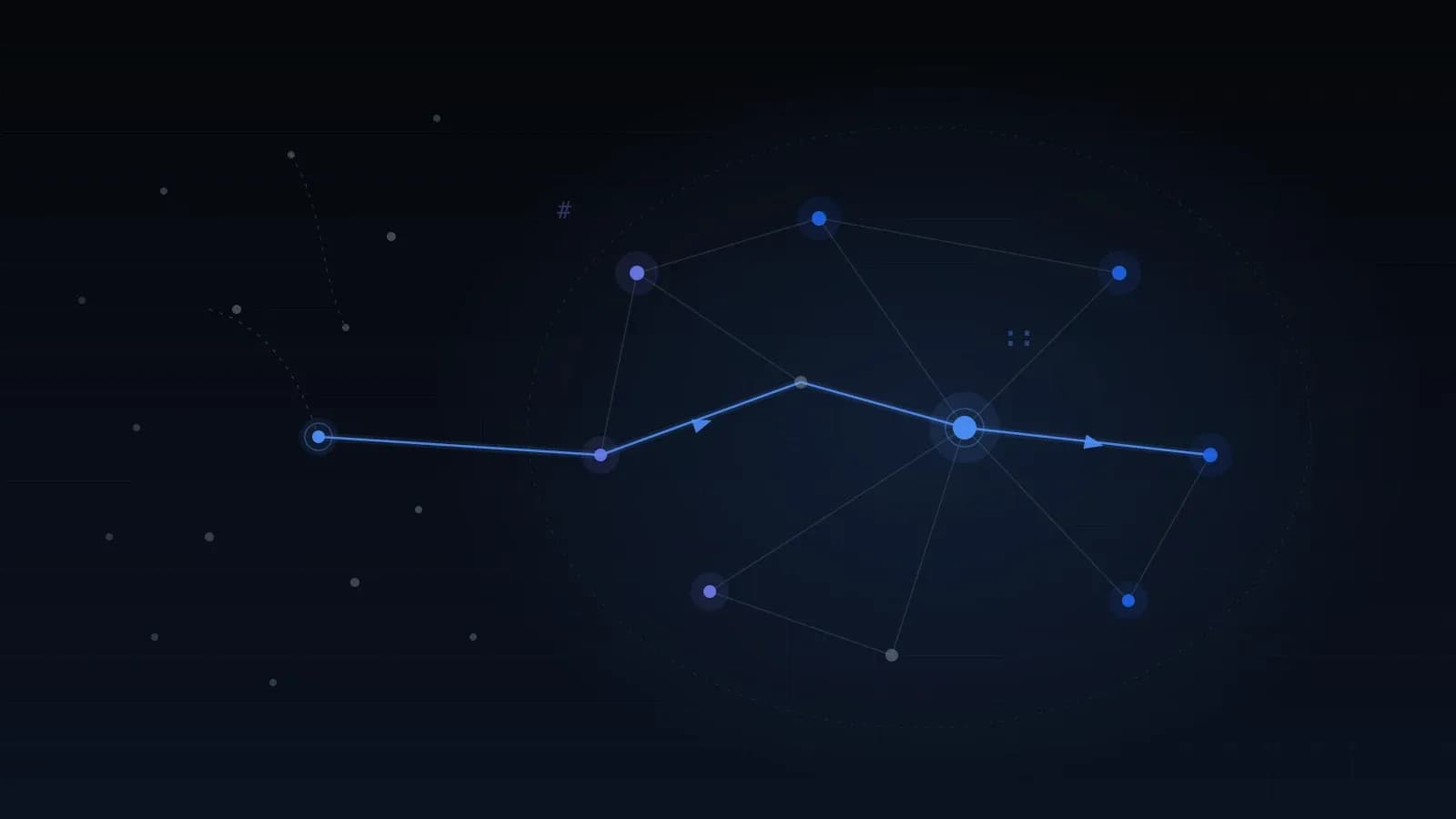
Link analysis converts data into a graph: people, legal entities, accounts, and events become nodes, while relationships — transfers, shareholdings, a shared address — become edges. In this form, network questions that were once hard to answer become path searches a computer completes in a fraction of a second.
Questions link analysis helps answer
- Do two seemingly unrelated people connect through some account or company?
- Which accounts act as intermediaries that large sums flow through?
- Do groups of people or companies share contact details in unusual ways?
- Where does a many-layered shareholding structure finally end — and who benefits?
In practice, a good link-analysis system starts with data quality — above all entity resolution, so that the same person appearing in ten sources becomes one node. This step determines how much the resulting network can be trusted. Match wrongly, and an elegant graph on screen can lead an investigation astray.
Limits worth knowing
Link analysis points investigators in the right direction; it is not evidence in itself. A connection in the graph says “look further,” not “guilty.” A well-designed system therefore records the provenance of every edge, lets investigators return to the source documents at any time, and leaves the final judgment to people.